
If you’re exploring options to support your child’s development, you’ve likely come across in-home ABA therapy.
For many families, understanding how ABA therapy works and whether in-home services are the right fit can feel overwhelming at first. This guide will walk you through everything you need to know about in-home ABA therapy, including how it works, what to expect, and why it can make a meaningful difference in your child’s daily life.
What Is In-Home ABA Therapy?
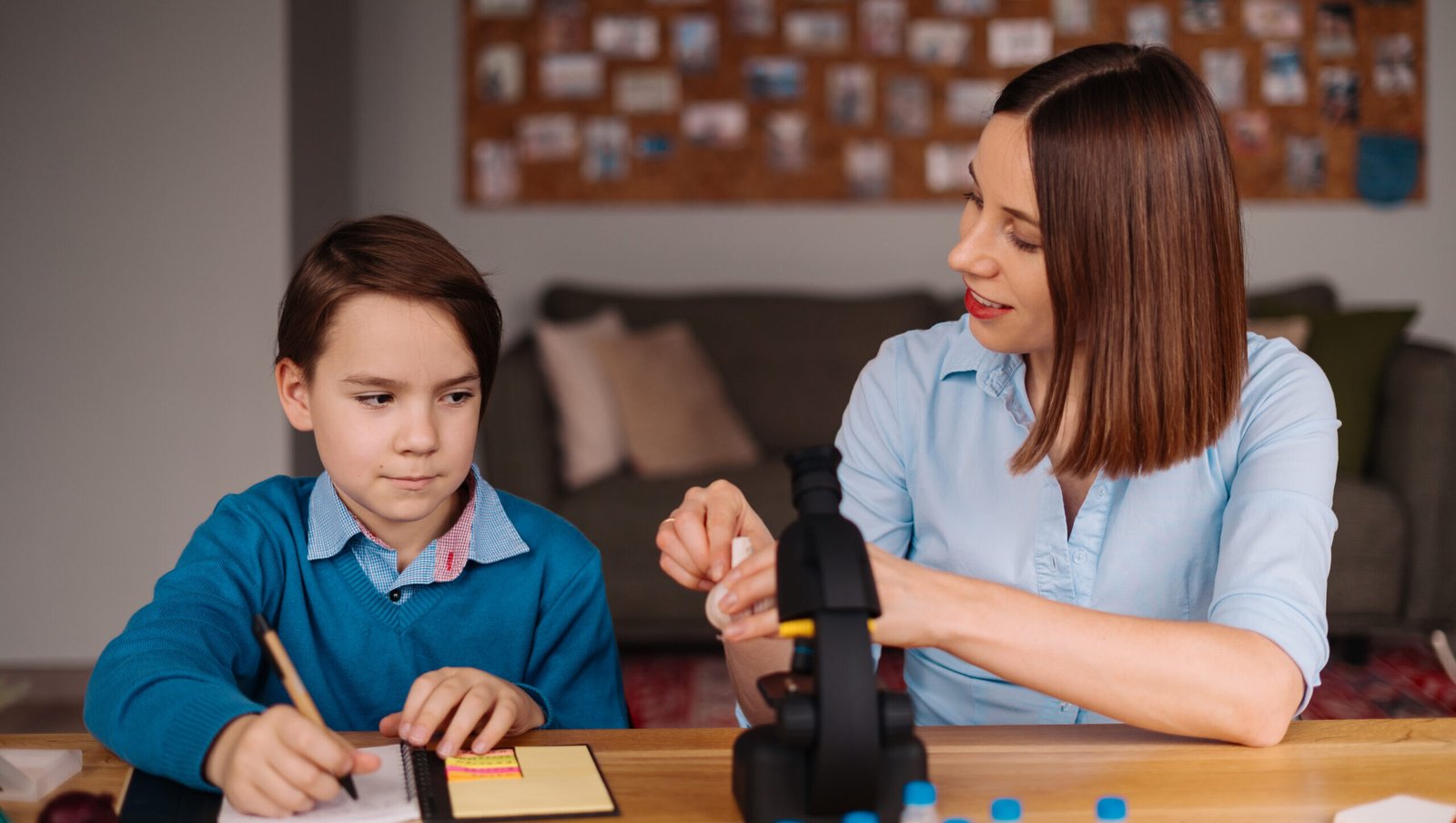
In-home ABA therapy is a personalized form of Applied Behavior Analysis delivered directly in your child’s home environment.
ABA therapy focuses on helping children develop essential life skills, including communication, social interaction, and daily routines, while reducing behaviors that may interfere with learning or independence.
What makes in-home ABA therapy unique is the setting. Instead of working in a clinic, therapy takes place where your child naturally lives, plays, and interacts. This allows skills to be taught and practiced in real-life situations, making progress more practical and long-lasting.
How In-Home ABA Therapy Works
In-home ABA therapy follows a structured, step-by-step process tailored to your child’s needs.
1. Initial Consultation
The process begins with a conversation about your child’s needs, behaviors, and goals. This helps determine whether in-home ABA therapy is the right fit and what next steps should look like.
2. Assessment
A Board Certified Behavior Analyst conducts a detailed evaluation to understand your child’s strengths, challenges, and current skill level. This assessment is a key part of building an effective therapy plan.
3. Personalized Treatment Plan
Based on the assessment, a customized plan is created. This plan focuses on improving communication, building social skills, increasing independence, and reducing challenging behaviors.
4. Therapy Sessions at Home
During in-home ABA therapy sessions, therapists work one-on-one with your child. Sessions are structured but flexible, allowing therapists to adapt to real-life situations as they happen.
For example, therapists may practice communication during meals, work on transitions during daily routines, and build social skills during playtime.
5. Ongoing Progress Tracking
Progress is continuously measured and the plan is adjusted as needed. This ensures your child is always working toward meaningful, achievable goals.
Benefits of In-Home ABA Therapy
Choosing in-home ABA therapy offers several important advantages for both children and families.
Real-Life Skill Development
Because therapy happens in your child’s natural environment, skills are practiced where they are actually used. This makes it easier for children to apply what they learn in everyday situations.
Comfort and Familiarity
Your child remains in a familiar setting, which can reduce anxiety and improve engagement during sessions. This is especially important for children who may struggle with new environments.
Parent Involvement
In-home ABA therapy allows parents to be actively involved. You can observe sessions, learn strategies, and reinforce skills outside of therapy time.
Personalized Attention
Every aspect of in-home ABA therapy is tailored to your child. There are no group settings or distractions, just focused, one-on-one support.
Consistency Across Daily Life
Therapy integrates into your child’s routine rather than existing separately from it. This leads to more consistent and lasting progress.
Who Can Benefit from In-Home ABA Therapy?
In-home ABA therapy is commonly used for children with autism spectrum disorder, but it can benefit any child who needs support with communication, behavior, social interaction, daily routines, or independence.
Because the approach is individualized, in-home ABA therapy can be adapted to a wide range of needs and developmental levels.
What Parents Can Expect
Starting in-home ABA therapy is a collaborative process. Parents are not just observers, they are part of the journey.
You can expect clear communication from your therapy team, regular updates on progress, guidance on how to support your child at home, and adjustments based on your child’s development.
The goal is not only to help your child improve, but also to give you the tools and confidence to support them every day.
Common Misconceptions About In-Home ABA Therapy
Therapy only works in a clinic
In reality, in-home ABA therapy can be even more effective because it focuses on real-life environments.
It’s too structured
While ABA therapy is structured, it is also flexible and adapted to your child’s natural routines.
Parents are not involved
Parent involvement is actually a key part of successful in-home ABA therapy.
How to Choose the Right ABA Provider
Not all ABA providers are the same. When considering in-home ABA therapy, look for personalized treatment plans, consistent communication, experienced professionals, and a focus on real-life skill development.
Choosing the right provider can make a significant difference in your child’s progress.
Why In-Home ABA Therapy Matters
At its core, in-home ABA therapy is about helping children build skills that improve their everyday lives.
It’s not just about therapy sessions. It’s about better communication, smoother routines, increased independence, and improved quality of life.
When therapy is delivered in the environment where your child lives, progress becomes more meaningful and sustainable.
Getting Started with In-Home ABA Therapy
If you’re considering in-home ABA therapy, the first step is simple. Reach out to a provider, share your concerns, and begin the conversation.
From there, the process will guide you through assessment, planning, and starting services.
Final Thoughts
In-home ABA therapy offers a practical, personalized approach to helping children develop essential skills.
By working in real-life environments and involving families in the process, it creates opportunities for meaningful progress that extends beyond therapy sessions.
If you’re looking for a way to support your child’s development in a structured, effective, and real-world setting, in-home ABA therapy is a strong place to start.